By: Denny Quinteros | Publish Date: February 23rd, 2026
As a child, I was called names that I did not comprehend. Assuming something was wrong with me, peers teased me about the unique shape of my head, not realizing I had hydrocephalus, a brain disorder that affects millions worldwide. Children can be very cruel when someone looks different.

As Tara Matthews, MD, my developmental behavioral pediatrician, recalled, “when Denny was in grade school, some children bullied him because the shape of his head was a little different. Denny was very resilient, and (he) continued to work hard in school and overcome this time in his life.”
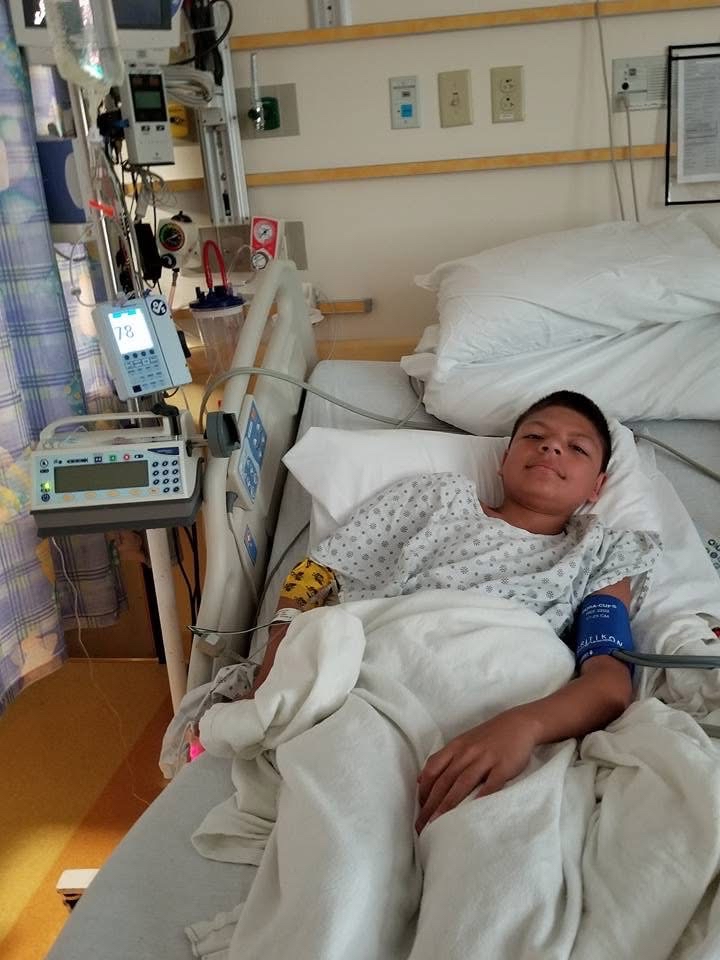
Those experiences shaped how I navigate the world today and strengthened my commitment to advocacy. When I started having frequent, severe headaches in June 2017, those effects became quite apparent to me. They were initially simple to ignore, but by July, the pain had become so intense that I required emergency surgery. That moment completely changed my understanding of my condition. I felt better after the treatment, which continues to positively impact my quality of life.
As my surgeon explained, “(I had) experienced a shunt Blockage that caused vomiting, headaches before the procedure… after the surgery there has been no recurrent headaches, visual changes, nausea, or vomiting.”
Dr. Mostafa El Khashab, MD, PhD, clarified that the problem developed on its own and is unrelated to any genetic factors, stressing that the disorder may not be influenced by the health history of the family.
More difficult to handle than the hospital stays were the reaction of people around me. Being teased about something I had no control over caused me to doubt my intelligence and value. My peers thought I was slow or weak because my condition was invisible. The assumptions accompanied me into social settings, classrooms, and even adulthood.
According to epidemiological research published in medical journals, hydrocephalus affects an estimated 6.5 million individuals worldwide, with about 400,000 cases identified annually. Medical devices such as ventriculoperitoneal (VP) shunts, which help remove extra fluid from the brain, are used to treat the condition in thousands of children in the United States. Even though these devices frequently save lives, they typically require multiple operations and prolonged monitoring.

Living with hydrocephalus is a lifelong process rather than a single medical event. Like me, many individuals must navigate both ongoing medical management and social misunderstandings. As Arno Fried, MD, has explained, “hydrocephalus is a chronic condition that requires lifelong monitoring and individualized care.” Fried emphasized that treatment does not end after surgery but continues throughout a patient’s life. Neurological conditions challenge society’s assumptions about how people should learn, move, or behave, often stigmatizing hydrocephalus.
Medical professionals emphasize that early diagnosis and consistent treatment can significantly improve quality of life. Yet awareness remains limited, and misinformation continues to shape how people with neurological conditions are perceived. When conditions like hydrocephalus are reduced to stereotypes or dismissed entirely, individuals are left to carry both the medical burden and the social consequences.
Since hydrocephalus is not usually apparent, many individuals are unaware of it. In contrast to disorders that have visible physical symptoms, hydrocephalus frequently has invisible effects on a person’s thoughts, cognitive processing, or bodily sensations. This invisibility can cause miscommunication, particularly in social settings and educational institutions where students are frequently evaluated based on how fast they pick things up, react, or perform. People with neurological disorders are therefore often diagnosed before they are fully understood.
A person with hydrocephalus does not just “get over it”, rather they develop coping mechanisms throughout the course of their lifetime. Because of this persistent reality, awareness is particularly crucial in settings where disabilities are not always evident or recognized, like Kean’s community, schools, and workplaces. Beyond medical expertise, learning about neurological diseases should involve empathy, patience, and openness rather than judgment. I was frequently stigmatized and misunderstood as a child with hydrocephalus since my difficulties were not readily apparent to others. These encounters strengthened the value of advocacy and influenced my current way of navigating the world. Even though I experienced stigma as a kid, if compassion and understanding are valued now, future generations will not have to deal with the same obstacles.
You must be logged in to post a comment.