By: Hajar Lababidi and Michael Mayhew | Published: February 13th, 2026
Recent ICE raids have caused major impacts on communities across the country, prompting protests nationwide. Here in New Jersey, ICE has been spotted detaining people in places like Red Bank, Plainfield, and Morristown, with rumors floating on social media of sightings near Kean University’s campus in Union. There have also been large protests by high school students across the state. Just this week, hundreds of students at Plainfield High School walked out of their classes and protested against the actions of ICE agents, many of them chanting, “ICE off the streets!” Other demonstrations, occurring in Newark and Asbury Park, among other sites, protested ICE activity both in New Jersey and in Minnesota, where thousands of agents had been deployed by the federal government following mass protests against the agency.
To protect New Jerseyans from recent raids, Governor Mikie Sherrill signed Executive Order No. 12 on Wednesday, February 11, which bans federal immigration officers from state property without a judicial warrant. The move signaled that the new administration would not comply with the federal government’s ICE campaign against undocumented immigrants.
While no arrests have been confirmed in the Kean community, the university acts as a Hispanic Serving Institution (HSI) and its population remains vulnerable to raids. In light of this, we’ve compiled a guide from several national civil rights and legal groups for how to act if you are approached by ICE. If you ever find yourself in such a situation, follow these directions and know your rights:
What to Do
- Remain calm: Don’t try to resist or run. Don’t reach for your belongings without approval, even if it seems unfair.
- Ask agents to identify themselves: Immigration agents may pose as police even when they are not. Knowing which agency the officer works for can help you learn what rights they have over you, and you over them.
- Carry documents with you: If you are an immigrant and over the age of 18, you are required to carry your valid, non-expired immigration documents with you. Even if you are a U.S. citizen, it can be helpful to carry proof of citizenship to show to ICE agents.
- Make a plan ahead of time: In case you are arrested, make sure you know important contact information, such as phone numbers, contact with legal support, and work out emergency plans with loved ones.
- If you are in your car: Make sure you have your driver’s license, vehicle registration, and insurance card with you. You can use your state-issued license as identification.
- If you are in your home: You do not need to open the door. Instead, ask to see a warrant signed by a judge, and if they do not have one (warrants of removal/deportation do not count), then you may refuse to let them inside.

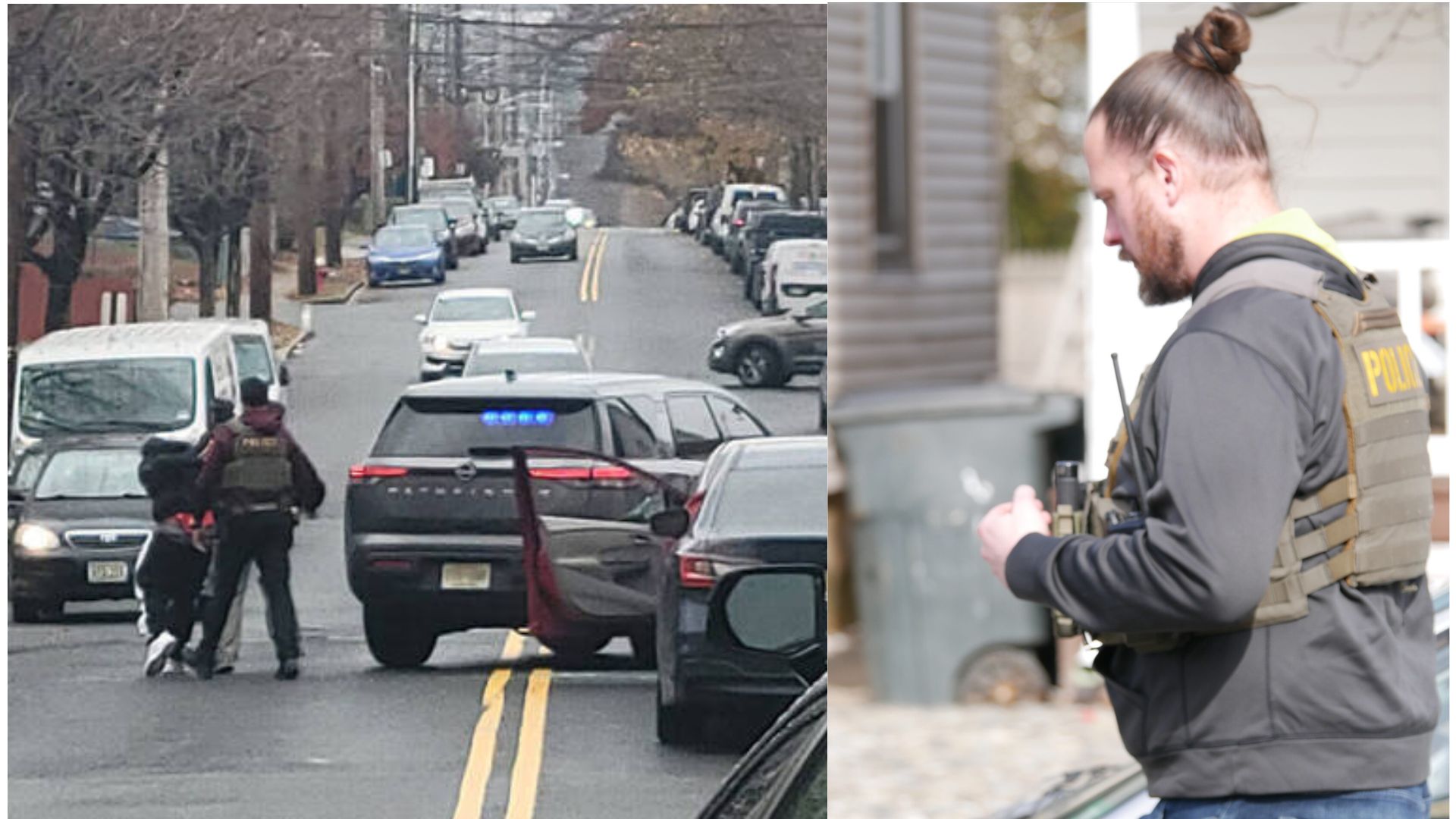
Right: ICE official spotted in Red Bank | Photo Credit: Brian Donohue, Red Bank Green
What Not to Do
- Don’t try to fight officers: Even if you perceive a situation as unfair or unlawful, resisting agents may endanger yourself and others around you. There are other, safer ways to contest illegal ICE activity (explained below).
- Don’t lie or present fake documents: This can be used against you if you are brought to court.
Your Rights
- You have the right to remain silent
- You have the right to ask for a lawyer
- You have the right to refuse to sign documents
- You have the right to demand a judicial warrant for ICE to search your car or home. If they do so anyway, do not resist, but tell them you do not consent.
- The New Jersey Department of Human Services has compiled a more extensive list of immigrants’ rights.
Documenting ICE Activity
- As long as you do not obstruct ICE activity, you have the right to record what you witness. In fact, this is encouraged to promote accountability.

- As part of the Executive Order signed by Mikie Sherrill on Wednesday, the Office of the Attorney General opened a statewide portal where New Jerseyans can upload incidents with federal agents, found here.
If Your Rights are Violated
- Make sure to write down everything. Keep records of everything about the encounter, including photos and any identifying information about the agents.
Further Resources
- Know Your Rights Wallet Cards: Provided by the New Jersey chapter of the American Civil Liberties Union, they are available in English and Spanish. To find a red card listing immigrant rights in other languages, visit this website.
- New Jersey’s Detention and Deportation Defense Initiative: Provides resources for immigrants and their relatives if they are facing deportation, including free or low-cost legal services.
- The New Jersey Immigrant Trust Directive: This was passed to protect immigrants who want to report crime to local and state police officers. It details what officers cannot do with regards to ICE activities.
We hope you keep this guide and the resources provided in mind. Current events might provoke alarm—it is important to stay calm, follow guidelines, and make sure to always have backup plans.
You must be logged in to post a comment.