By: Nick Hathaway | Publish Date: April 2nd 2026

Stocks have moved higher this week as investors responded to signs that geopolitical tensions in the Middle East could ease, lifting optimism across global markets. The Dow Jones Industrial Average rose roughly 200 points in early trading as traders bet that the prospect of peace negotiations could reduce uncertainty that has weighed in on the energy prices and international commerce.
Market participants have closely watched developments in the region, where prolonged conflicts have fueled volatility in oil markets and broader investor sentiment. Hopes that diplomatic efforts could bring an end to fighting prompted renewed risk-taking on Wall Street, with major indexes gaining as traders priced in the possibility of improved stability.
Hopes for meaningful deescalation in global tensions will result in markets stabilizing and improving overall investor confidence.
In this week’s Market Watch, we take a closer look at how peace prospects are shaping investor expectations and driving gains in the Dow.
As reported by the CNBC, the S&P 500 advanced 0.72% and the Nasdaq Composite gained 1.16%. The Dow Jones Industrial Average added 224.23 points, or 0.48% to overall improvement compared to investor confidence during our beginning segment of The Market Watch.

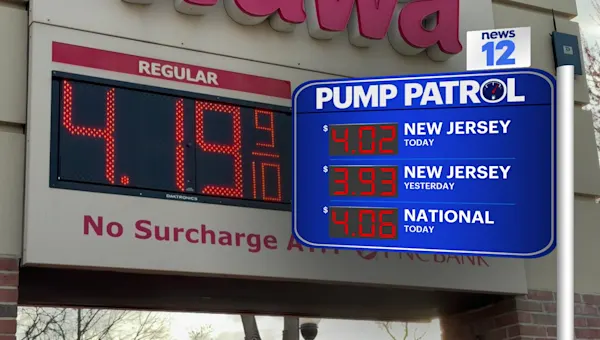
However, the effects of the Iran War can be felt everywhere. Gas prices have risen to 4 dollars per gallon for the first time since 2022. “This rise comes as the US-Iran war enters its fifth week, and the $4 mark is the latest milestone for gas prices, which are now up about $1 on average from one month ago, with most of those gains coming since the outbreak of the Middle East conflict,” reports Yahoo Finance.
As The Tower reported on our first segment of the Market Watch on March 11, 2026, investor fears have begun to materialize as the economic consequences of the United States’ war in Iran increasingly ripple through global markets. Rising geopolitical tensions have already fueled volatility, particularly in energy markets, as traders weigh the risks to global supply chains and shipping lanes. While the full impact of any disruption or potential closure of the Strait of Hormuz remains uncertain, markets are closely watching developments in the region.
Stay tuned for next week’s segment of the Market Watch with Nick Hathaway for further analysis.
You must be logged in to post a comment.