By: Rashan Addison | Publish Date: May 4th, 2026
In the heart of the Garden State, a land defined by its fertile soil and agricultural abundance, over one million residents are living in a food desert.
Food deserts are geographic locations, typically in low-income communities, where there is limited access to fresh produce and nutritious food. These communities are swamped with fast food, liquor stores, and convenience stores.
According to the New Jersey Economic Development Authority (NJEDA), 50 communities across the state battle with food deserts. Cities such as Camden, Atlantic City, and Newark are impacted by food deserts and are ranked top three on the list.

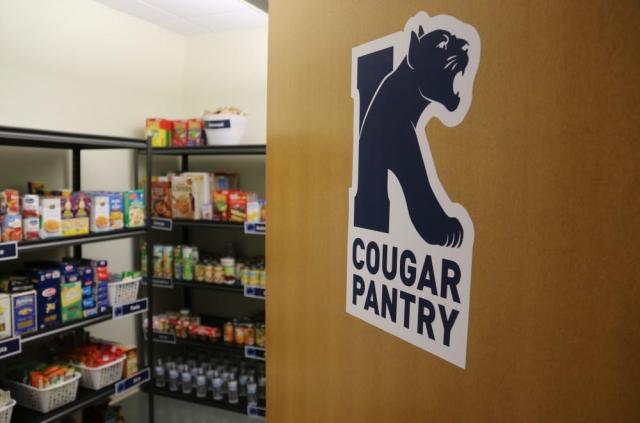
In 2023, the NJEDA announced a new grant program to fight food insecurity and combat food deserts. Kean University has joined the fight too, with the Cougar Pantry in Downs Hall. Any Kean student facing food insecurity can meet with the Community Care Coordinator and receive services.
The lack of supermarkets, transportation, and affordable prices make trips to the store costly and time consuming.
Many deserted areas have populations who do not own a car; therefore, they are heavily reliant upon public transportation. This seems like a plus, yet supermarkets are so far away that one trip to the store requires more than one bus or train.
In urban areas, residents live over one mile away from supermarkets. The unfortunate distance between their homes and stores is so great it makes shopping a hassle. A quick trip to the store doesn’t exist in these communities, and this is an issue for them.

Not only does it cost residents time, but it is also more expensive to buy groceries in these areas as well.
Tara Colton, executive vice president and chief economic security officer told ABC news, “You can live next door to the most amazing market or farmer’s market, but if you can’t afford to buy the food that’s in there, or they don’t accept federal nutrition programs like snap, then its inaccessible to you.”
For most, this turns their attention to ready meals; already prepared and quick to serve with little nutritional value.
The impact of food deserts is detrimental, potentially increasing diet-related health risks and the inability to afford grocery prices. What food deserts do to a community is shift their attention from quality to convenience. This shift can be a direct path to health concerns for these neighborhoods.
It’s possible for the lack of nutritious food to lead to higher risks of obesity and diabetes. The absence of fresh and varied food can lead to deficiencies in vitamins or minerals, according to MedicalNewsToday.
Left with convenience stores, they do not have essential food items that will provide what they need and usually cannot receive on a typical shopping run.
“These local shops are dominated by convenience food, with largely ultra-processed, unhealthy options,” said Kean professor Galia Shokry.
Food desert communities could benefit from local stores such as bodegas and corner stores providing fresh produce to ease the burden of cost of travel and groceries.
“In places like Barcelona, and others around the world, these shops are locally owned and stocked with fresh produce along with everyday staples,” Shorky said. “They make healthy food cheap, convenient, and supportive of local businesses at the same time.
Adopting this cultural lifestyle here in New Jersey will benefit the community. While these stores may not fully replace grocery stores, their role can be significant in lessening the impact of food deserts.

Co-owner and Co-founder of Tribe and Vibe Collection and Kean faculty member Nathaniel Roots suggests that those in food deserted areas should raise awareness however they can.
“They should talk to the owners of bodegas and corner stores, sign petitions, and speak to their circumstances. I believe if the demand is there, then there will be someone willing to provide what they need.”
Promoting the voice of the communities will serve them well, and once the message is out there, it will locate the people who want to help. Awareness will help others see the importance of this issue.
You must be logged in to post a comment.