By: Cimmiaron Alvarez, PhD | Publish Date: April 16th, 2026
Affection occurs when we like another person and feel warmth or fondness toward them. We often let others know that we care about them through affectionate communication. Affectionate communication is defined by Kory Floyd et al. as “behaviors that send messages of fondness and intense positive regard.”

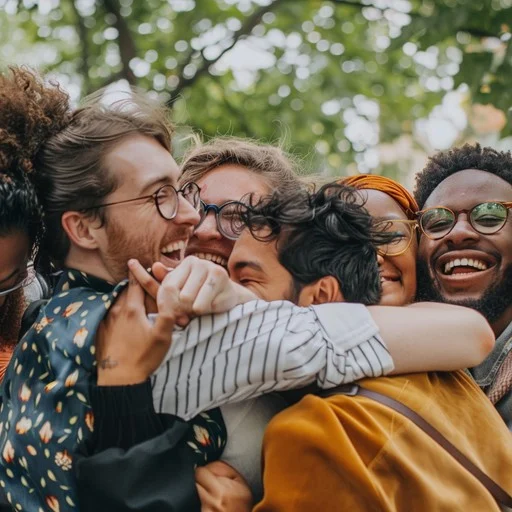
Affectionate communication often occurs in one of three forms: (a) verbal communication, (b) direct nonverbal communication, and (c) indirect nonverbal communication. Verbal communication of affection includes saying or writing affectionate words, such as “I love you.” Direct non-verbal behaviors are non-linguistic behaviors that often include touching someone, such as giving a hug or holding hands. Indirect nonverbal affectionate behaviors are those that show care through the provision of social support, such as offering to help someone with a task.
When discussing affectionate communication, individuals and scholars alike tend to focus on forms of physical touch, such as kissing.
Yet, as the three forms of affectionate communication demonstrate, there are many ways that we might communicate our affection for friends, family, and romantic partners. Although not studied as affectionate communication, the five love languages according to Gary Chapman represent different ways that individuals might communicate affection. Some people do show their love and care through physical touch, while, others prefer showing care through acts of service that help their partner, such as putting gas in a family member’s car. Some communicate affection by getting those they care about gifts. For example, I am a huge crafter, and all my friends receive handmade gifts from me. Other people like to spend time with those they love by engaging in a mutual activity, having deep conversations, or just providing their undivided attention. Finally, others show they care through their words of praise or appreciation. Words of affirmation might include writing a friend a thoughtful note. All in all, the five love languages demonstrate the variety of ways that individuals might engage in affectionate communication toward their loved ones.

Communication scholars, such as the previously mentioned Kory Floyd, examine affectionate communication using affection exchange theory, which outlines five arguments: First, the theory states that the need and capacity for affection are inborn. All individuals have the ability and need to give and receive affection from the time that they are born.
Second, affectionate feelings and affectionate expressions are distinct experiences that often, but need not, covary. In other words, most of the time when we communicate affection, we do so because we care about an individual. Yet we might feel affection towards someone without communicating it; or we might communicate affection for someone without feeling it.
Third, affectionate communication is adaptive with respect to human viability and fertility. Affectionate communication helps us build and maintain close relationships, which provides access to social resources. Similarly, decades of affection research have demonstrated that affectionate behaviors, like touching, are associated with positive health outcomes.
Fourth, humans vary in their optimal tolerances for affection and affectionate behavior. In other words, we all desire different levels of affection. Just because one person wants that much affection does not mean that their romantic partner does.
Finally, affectionate behaviors that violate the range of optimal tolerance are physiologically averse. Receiving too much or too little affection can lead an individual to have poorer health outcomes.

As humans, we require affection in our romantic relationships, friendships, and familial relationships. As such, we must recognize the variety of ways that our loved ones might communicate their care for us. Often, we tend to focus on the verbal (e.g., words of affirmation) and direct nonverbal (e.g., physical touch) affectionate communication, without considering the indirect nonverbal behaviors (e.g., giving gifts, quality time, and acts of service) that show love and care. Similarly, being aware of the variety of affectionate communication behaviors provides us with an opportunity to show our care for others in unique ways. Through affectionate communication, we can help others achieve an important interpersonal need.
You must be logged in to post a comment.